
Homeowners Know About Everyday Home Maintenance Myths
Many households follow routines based on advice passed down over time. Some of these habits seem helpful, but they don’t always produce the results homeowners expect.
The problem is that small misconceptions can quietly affect how a home feels and functions. Over time, these habits may lead to unnecessary effort without real improvement.
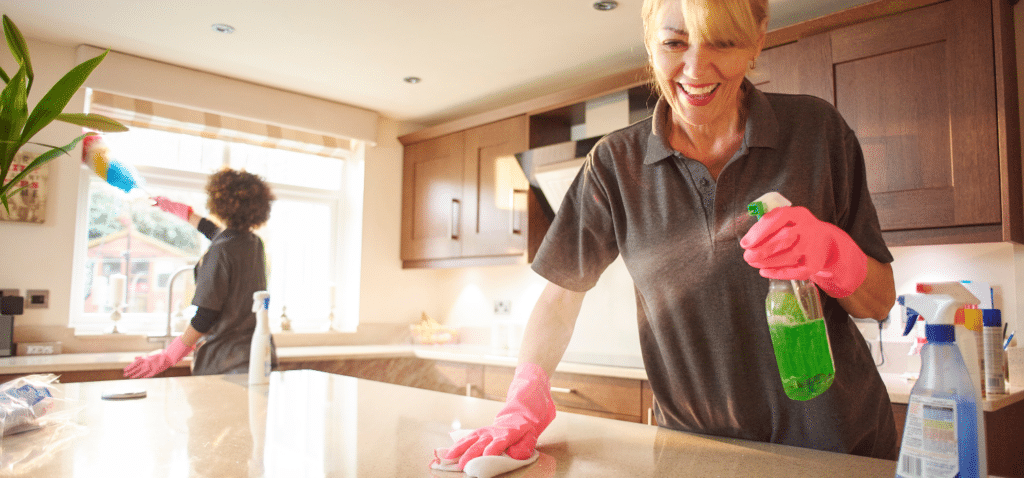
Where Misunderstandings in Home Routines Often Start
Many home care habits come from things people have heard rather than verified experience. These beliefs can shape how tasks are done without questioning their effectiveness.
Over time, these assumptions become routine, even when they are no longer accurate. This is why certain areas of the home may never feel fully maintained despite regular effort.
Common sources of these misunderstandings include:
- Advice shared informally between family members
- Social media tips without proper context
- Outdated household practices
- One-size-fits-all recommendations
How Small Misconceptions Affect Daily Living Spaces
Even minor misunderstandings can influence how comfortable a home feels. When routines are not effective, homeowners may feel like they are always catching up.
This can lead to frustration, especially when effort does not match results. Adjusting perspective is often the first step toward improvement.
For example, focusing only on visible areas may leave hidden buildup unnoticed. Over time, this creates uneven results throughout the home.
Signs a Routine May Not Be Working Well
Homeowners often continue habits without realizing they are not effective. The signs are usually subtle at first but become clearer over time.
When routines are not aligned with actual needs, effort increases without visible improvement. This is when reassessment becomes important.
Common indicators include:
- Repeating the same tasks frequently without change
- Areas that never feel fully refreshed
- Increased time spent on maintenance
- Uneven results across rooms
Practical Ways to Reassess Home Habits
Taking a closer look at daily routines can reveal simple adjustments. Recurring cleaning changes often make a noticeable difference in how a home feels.
One helpful approach is to focus on consistency rather than intensity. This creates more balanced upkeep over time.
Some useful habit adjustments include:
- Reviewing routines every few weeks
- Prioritizing high-use areas
- Breaking tasks into manageable steps
- Observing which efforts create real improvement
Understanding What Actually Improves Home Consistency
Not all effort produces equal results in home care. Understanding what truly contributes to comfort helps reduce wasted time.
This shift in thinking allows homeowners to focus on habits that support long-term balance rather than short-term fixes.
A more structured approach often leads to better outcomes and less frustration in daily upkeep.
When Professional Support Becomes Part of the Routine
Some homeowners find that certain tasks are easier to manage with additional help built into their schedule. This can reduce stress and improve consistency at home.
Using a service like structured home care scheduling can help maintain a routine without constant effort.
This approach supports long-term balance and reduces the pressure of handling everything alone.
Frequently Asked Questions
What are home maintenance myths?
They are common beliefs about household care that may not be accurate or effective in practice.
Why do home routines become ineffective over time?
Habits can become outdated or misaligned with actual home needs as conditions change.
How do I know if my routine needs improvement?
If effort feels high but results are limited, it may be time to reassess your approach.
Are small habit changes really effective?
Yes, small adjustments often lead to noticeable improvements in overall home consistency.
Do all homes need the same maintenance routine?
No, every home has different needs depending on usage and layout.
What is the best way to improve home habits?
Start by observing which tasks create real results and adjust routines accordingly.
Can outside help improve home upkeep?
Yes, structured support can help maintain consistency and reduce workload.
Conclusion
Understanding common home maintenance myths helps homeowners build more effective routines over time. Affordable Maids small adjustments in daily habits can lead to better long-term results and a more balanced living environment.