
Everything You Need to Know About Deep Cleaning Your Home
Deep Cleaning: A Practical Reset for Your Home
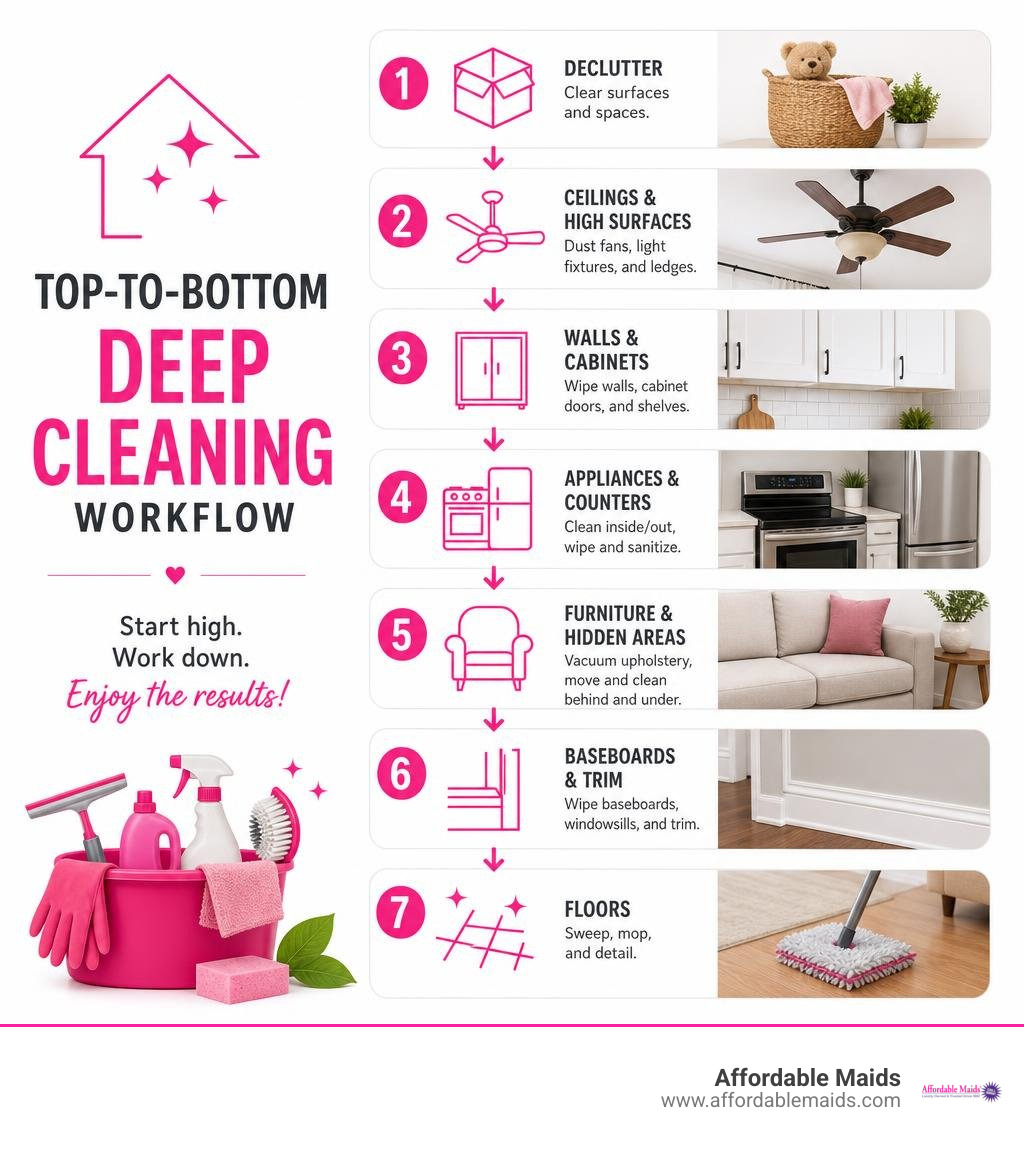
Deep cleaning means cleaning the dirt, dust, grease, and buildup that regular weekly chores miss. Start by decluttering, then work one room at a time from the ceiling down to the floors. Focus on hidden and high-touch areas such as baseboards, ceiling fans, grout, appliance interiors, vents, and the spaces behind furniture.
For most homes, a full reset once or twice a year is enough. Pittsburgh-area households with children, pets, allergies, or busy kitchens and bathrooms may need certain rooms cleaned more often.
Unlike a quick wipe-down or vacuum, this process tackles the details that affect how your home looks, smells, and feels. It can take eight hours or more for a full house, so breaking the work into smaller sessions is often the most realistic approach for busy homeowners.
This guide gives you a clear room-by-room checklist, safe product ideas, appliance steps, floor-care guidance, and simple habits that help the results last.
Understanding the Foundations of Intensive House Cleaning
When you look around your living room on a Saturday morning, the surfaces might look tidy. The pillows are fluffed, the clutter is tucked away, and the carpet was vacuumed two days ago. Yet, underneath that surface presentation, unseen particles are constantly settling. Dust mites nestle deep inside upholstery, microscopic pollen and pet dander cling to baseboards, and evaporated cooking grease forms a sticky, invisible film across vertical cabinet faces.
Intensive sanitation goes far beyond aesthetics. Removing built-up grime, pet dander, and hidden mold spores noticeably improves indoor air quality. When HVAC systems run in sealed modern houses, they recirculate ambient dust trapped in fabrics, carpet fibers, and air vents. Systematically lifting these contaminants creates a healthier living space, eases respiratory strain for allergy sufferers, and restores a fresh atmosphere to your rooms. To fully understand how an intensive scrub transforms your living space, explore what homeowners should know about deep cleaning impact.
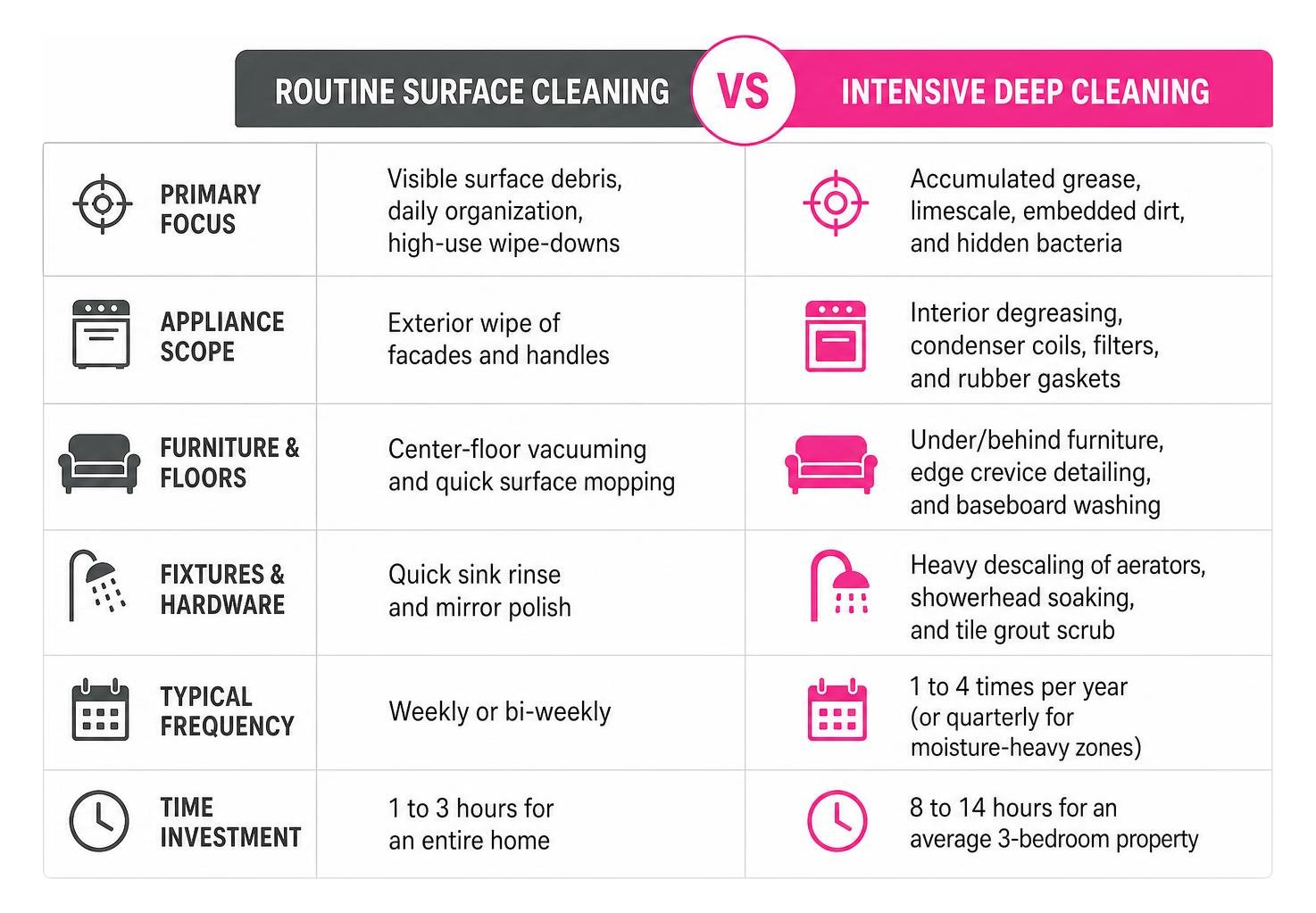
| Cleaning Dimension | Routine Housekeeping | Intensive Deep Sanitation |
|---|---|---|
| Primary Focus | Visible surface debris, daily organization, high-use wipe-downs | Accumulated grease, limescale, embedded dirt, and hidden bacteria |
| Appliance Scope | Exterior wipe of facades and handles | Interior degreasing, condenser coils, filters, and rubber gaskets |
| Furniture & Floors | Center-floor vacuuming and quick surface mopping | Under/behind furniture, edge crevice detailing, and baseboard washing |
| Fixtures & Hardware | Quick sink rinse and mirror polish | Heavy descaling of aerators, showerhead soaking, and tile grout scrub |
| Typical Frequency | Weekly or bi-weekly | 1 to 4 times per year (or quarterly for moisture-heavy zones) |
| Time Investment | 1 to 3 hours for an entire home | 8 to 14 hours for an average 3-bedroom property |
What Is the Difference Between Regular and Deep Cleaning?
Regular cleaning is about surface upkeep. It keeps life functional: washing dinner dishes, wiping kitchen crumbs off quartz countertops, wiping down the bathroom sink, and quickly vacuuming high-traffic floor pathways. It manages everyday messes so clutter does not overwhelm your week.
An intensive clean reaches into forgotten crevices and addresses neglected grime. It involves opening the oven door to dissolve carbonized grease, moving the sofa to extract hidden pet hair, scrubbing bathroom grout lines with a stiff-bristled brush, and washing sticky dust off window blinds. Understanding the operational distinction between deep cleaning vs standard cleaning Pittsburgh helps homeowners decide whether they need a quick weekly touch-up or an exhaustive whole-house overhaul.
Determining Your Ideal House Cleaning Frequency
How often should you take on such an intensive project? Most industry standards recommend a comprehensive whole-home overhaul once or twice a year. However, high-traffic homes with young children, active shedding pets, or family members with seasonal allergies benefit greatly from a quarterly cadence (every three months).
Certain rooms also degrade faster than others due to moisture, heat, and daily friction:
- Kitchens (Every 1–2 Months): Grease particles bond with floating dust on range hoods and upper cabinetry, creating a film that attracts bacteria if not scrubbed regularly.
- Bathrooms (Every 1–2 Months): High humidity creates a breeding ground for mold, mildew, and stubborn mineral limescale on shower glass and tile grout.
- Bedrooms (Every 3–4 Months): Dead skin cells and dust mites accumulate inside mattresses, pillows, and under bed frames.
- Living Rooms (Every 2–3 Months): Upholstered sectionals and central carpets absorb continuous foot traffic, beverage spills, and outdoor dirt.
For homes managing heavy seasonal shedding or airborne particulates, following tested indoor allergen reduction techniques provides an extra layer of relief for household air quality.
Essential Supplies and Tools for a Thorough Reset
Tackling severe dirt requires the right tools. Trying to scrub baked-on grease with a flimsy paper towel and generic spray leads to wasted effort, streaky surfaces, and sore arms.
Before starting, gather a reliable toolkit:
- Microfiber Cloths (15–20 towels): High-pile microfiber traps dislodged particles through electrostatic charge rather than pushing grime around.
- Vacuum with HEPA Filtration and Attachments: A long crevice tool, upholstery brush, and motorized mini-head are critical for extracting debris from baseboard edges and sofa seams.
- Detail Scrub Brushes: An assortment of stiff-nylon brushes and old toothbrushes to agitate narrow grout joints and sink faucets.
- Extendable Duster Pole: A microfiber wand that reaches 10-foot ceilings, crown moldings, and high ceiling fan blades safely.
- Protective Gear: Heavy-duty rubber cleaning gloves and safety eyewear when working with descalers or overhead dusting.
Essential Supplies for Deep Cleaning and Sanitization
Stock up on targeted cleaning formulas matched to specific surfaces:
- pH-Neutral Floor Cleaner: Protects the delicate finish of hardwood, luxury vinyl plank, and laminate without leaving sticky residues.
- Heavy-Duty Alkaline Degreaser: Emulsifies thick, sticky animal fats and vegetable oils on stovetops, vent hoods, and backsplashes.
- Mineral Descaling Solution or Citric Acid: Breaks down stubborn calcium carbonate, hard-water crust, and soap scum on chrome plumbing fixtures.
- Hospital-Grade Disinfectant: Eliminates lingering bacteria and viruses on high-touch touchpoints. For proper contact dwell times and chemical safety, check out our Essential Tips for Effectively Cleaning Disinfecting.
Natural and Homemade Cleaning Formulations
If you prefer eco-friendly solutions or want to reduce synthetic fumes inside your home, safe pantry staples deliver strong cleaning power when applied correctly:
- Distilled White Vinegar (5% Acidity): Cuts through alkaline mineral deposits, clears window glass streaks, and neutralizes odors inside dishwashers. Caution: Never use vinegar on natural stone (marble, granite, travertine) or unsealed hardwood, as the acid etches the surface.
- Baking Soda (Sodium Bicarbonate): A gentle abrasive that scours porcelain sinks, polishes stainless steel sinks, and deodorizes mattresses without scratching.
- 3% Hydrogen Peroxide: A natural bleaching alternative that brightens stained white tile grout and sanitizes cutting boards.
- Castile Soap: A plant-derived surfactant that cuts through everyday surface grime when diluted in warm water for baseboard and wall cleaning.
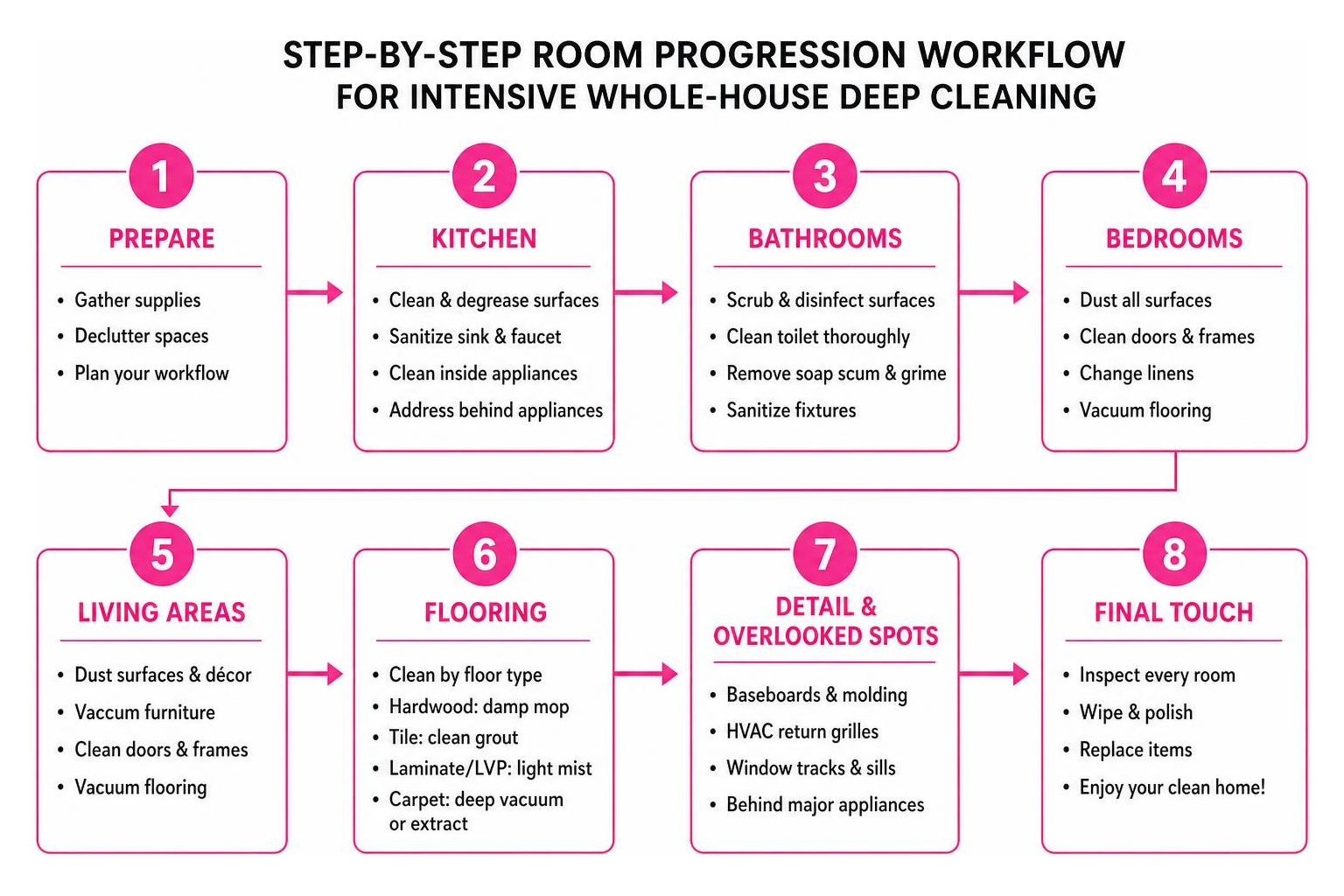
The Ultimate Room-by-Room Deep Cleaning Checklist
A whole-house overhaul succeeds when you follow a clear system: clean top-to-bottom and work in a circular pattern around the perimeter of each room. Dust dislodged from ceiling fans falls onto lower surfaces; sweeping or vacuuming last ensures you never clean the same area twice.
Before applying any cleaning spray, clear all countertops, tables, and floor clutter. Clearing the work area lets you focus purely on detail work. For a broader seasonal roadmap, you can follow these expert-recommended room checklists alongside our guide.
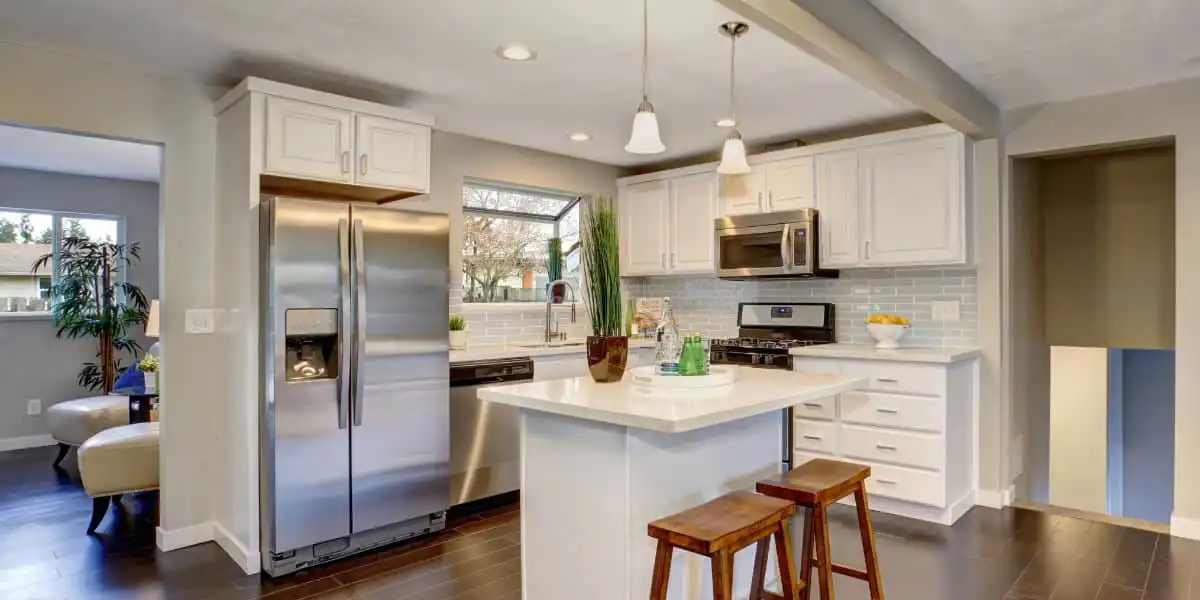
Kitchen Appliances, Cabinets, and Countertops
The kitchen demands the most physical effort due to accumulated cooking fats and high daily activity.
- Oven Interior & Cooktop: Remove the interior oven racks and soak them in warm soapy water. Apply an oven cleaner or a thick baking soda and water paste over interior enameled walls, avoiding the heating elements. Let it dwell for several hours before wiping clean.
- Refrigerator and Freezer: Empty all food, checking expiration dates on condiments and sauces. Pull out crisper bins and glass shelves to wash in warm, soapy water. Vacuum the rear or lower condenser coils to improve cooling efficiency and lower electricity consumption.
- Dishwasher Sanitation: Remove the bottom rack, unscrew the cylindrical filter, and scrub away trapped food sludge. Place a dishwasher-safe cup filled with two cups of white vinegar on the top rack and run a hot cycle to dissolve limescale.
- Microwave Steam Cleaning: Place a microwave-safe bowl containing one cup of water and two tablespoons of lemon juice or vinegar inside. Microwave on high for 4 minutes, allowing the steam to soften baked splatters before wiping the walls effortlessly.
- Cabinet Faces & Tops: Degrease upper cabinet doors using warm water and dish soap or a mild wood cleaner. Wipe down the tops of upper wall cabinets where airborne grease and dust settle. Pro-Tip: Line clean cabinet tops with parchment paper; during your next clean, simply roll up the paper and replace it.
- Garbage Disposal Care: Drop a handful of ice cubes, a tablespoon of baking soda, and a few lemon wedges into the drain. Run the disposal with cold water to scour residue off the internal grinding blades.
Bathroom Fixtures, Tile Grout, and Moisture Control
Bathrooms require careful attention to eliminate hard water deposits, soap scum, and moisture-loving mildew spores.
- Showerheads & Aerators: Mineral deposits restrict water pressure. Fill a plastic sandwich bag with warm white vinegar, submerge the showerhead nozzle, secure it with a rubber band, and let it soak for 30 to 60 minutes before scrubbing with a toothbrush.
- Shower Enclosures & Grout Lines: Spray tile walls with an active soap scum remover or peroxide-based cleaner. Allow adequate dwell time to break down body oils, then scrub the grout lines using a stiff detail brush. Rinse thoroughly and squeegee dry.
- Toilet Sanitation: Clean the entire fixture from top to bottom, including the flush handle, tank lid, base bolts, and porcelain foot. Use an acidic bowl cleaner under the rim to clear mineral rings.
- Vanity Cabinets & Mirrors: Clear out medicine cabinets, discard expired medications, wipe down shelf liners, and polish the mirror with a lint-free glass microfiber towel.
- Exhaust Fans & Heat Registers: Remove the plastic exhaust fan cover, vacuum trapped lint from the motor assembly, wash the grille in soapy water, and replace it to keep bathroom moisture venting properly.
Bedrooms, Mattresses, and Dust Mite Elimination
We spend a third of our lives in the bedroom, making allergen control here critical for restful sleep.
- Mattress Sanitization: Strip all bedding, pillow protectors, and mattress pads. Generously sift baking soda across the bare mattress surface, let it sit for 45 minutes to absorb body oils and odors, and vacuum thoroughly using an upholstery attachment. Rotate the mattress 180 degrees.
- Bedding Refresh: Launder duvets, heavy blankets, and pillow inserts on the hottest cycle recommended by the care tags.
- Under-Bed Clearance: Pull out rolling under-bed storage containers, vacuum accumulated dust bunnies along baseboards, and wipe down the bed frame supports.
- Closet Audit: Dust top closet shelving, wipe down clothes rods, and set aside unworn garments from the past year for donation.
Living Areas, High Dusting, and Upholstery Care
Living rooms serve as the central hub of the home, gathering dirt from both human and pet traffic.
- Ceiling Fans and Light Fixtures: Slip an old pillowcase over each fan blade and pull backward to trap dust inside the fabric rather than dropping it onto your furniture. Wipe down glass light sconces.
- Upholstery Deep Care: Remove sofa cushions. Vacuum deep within the couch frame using a narrow crevice tool to pull out crumbs and pet hair. Vacuum fabric cushions on all sides.
- Electronics Dusting: Carefully wipe television screens with a dry, plush microfiber cloth. Vacuum heat-dissipation ports on game consoles, soundbars, and cable boxes.
- Window Treatments: Dust horizontal blinds blade-by-blade using a damp microfiber cloth. Vacuum fabric draperies from top to bottom using a soft dusting brush.
- High-Touch Points: Disinfect everyday contact surfaces like remote controls, lamp switches, and door hardware. Check our guide on Cleaning High Touch Areas for key focal points.
Laundry Rooms, Washers, and Dryer Vent Safety
The laundry room is often skipped during daily chores, yet dirty appliances here can damage clothing and create home safety risks.
- Washing Machine Drum & Gasket: Front-load washers trap moisture and detergent sludge inside the front rubber door boot. Pull back the rubber seal and wipe away black mold using a diluted bleach solution or hydrogen peroxide. Run a hot self-clean cycle with an active washing machine cleaning tablet. Leave the door ajar after cycles to allow airflow.
- Dryer Lint Ducting: Unplug the dryer and detach the rear flexible exhaust duct. Vacuum lint buildup from both the back of the appliance and the wall exhaust port using a flexible dryer lint brush. Lint buildup represents a major household fire risk and significantly slows drying times.
- Detergent Dispenser Drawer: Slide out the removable soap drawer, scrub away crusty fabric softener residues under warm water, and clean the internal drawer housing.
Floor-Specific Care and Hidden Grime Zones
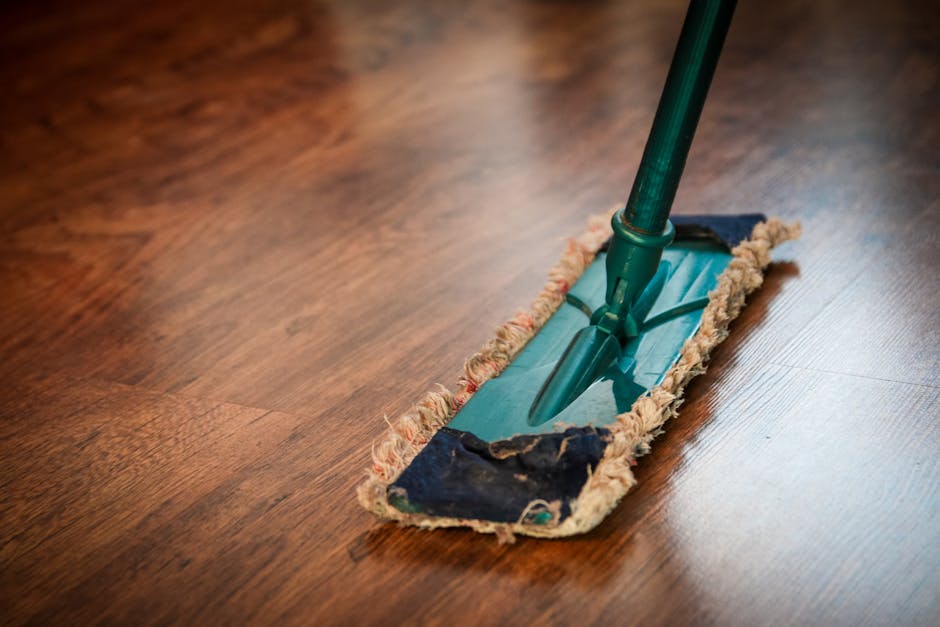
Floors take the brunt of daily foot traffic, absorbing tracked-in soil, spills, and debris. Clean flooring only after all overhead dusting and furniture wipedowns are complete.
Safe Maintenance for Hardwood, Tile, Laminate, and Carpet
Different flooring materials require specific cleaning techniques to prevent irreversible surface damage:
- Hardwood Flooring: Never use saturated wet mops, pure white vinegar, or steam mops on hardwood. Excess moisture penetrates plank seams, causing swelling, cupping, and cloudy finishes. Use a barely damp microfiber flat mop paired with a specialized pH-neutral hardwood cleaner.
- Ceramic and Porcelain Tile: Tile stands up well to warm water and neutral detergents, but porous cement grout lines hold onto dirt. Agitate grout with a dedicated oxygen-bleach solution and a stiff brush, then mop up the suspended grime.
- Laminate & Luxury Vinyl Plank (LVP): While LVP is water-resistant, traditional laminate swells when exposed to standing liquid. Use a light misting spray of gentle cleaner and dry-buff immediately.
- Wall-to-Wall Carpeting: Thoroughly vacuum slowly in overlapping cross-hatch strokes using a HEPA vacuum. For a true refresh, use an extraction carpet shampooer or hire a professional steam technician to lift deeply embedded grit.
For a deeper dive into preserving floor finishes during whole-house cleaning, read through Deep Cleaning Your Home: The Complete Room-by-Room Guide (2026) – D and G Flooring.
Tackling Commonly Overlooked Spots and Baseboards
What separates ordinary cleaning from an exceptional, professional-grade result is attending to the architectural details that fade into the background:
- Baseboards and Molding: Dry-vacuum baseboards using a brush attachment first to pull off loose dust, preventing muddy streaks. Wipe down the trim with a damp microfiber cloth dipped in warm water with a drop of dish soap.
- Interior Doors and Frames: Wash greasy fingerprints off door edges, flat panels, and surrounding frames.
- HVAC Return Grilles: Unscrew or vacuum the slotted steel return grilles on walls and ceilings where gray lint collects.
- Behind Major Appliances: Carefully slide out the refrigerator and free-standing kitchen range. Sweep and mop the accumulated crumbs, food spills, and dust underneath.
- Window Tracks and Sills: Spray window tracks with warm water, loosen packed soil using an old toothbrush, and lift away the muck with a paper towel.
If you are unsure which maintenance tasks are truly necessary, review our breakdown of Homeowners Know About Everyday Home Maintenance Myths.
Frequently Asked Questions About Home Maintenance
How Long Does a Full Home Overhaul Typically Take?
A thorough, whole-house deep clean of an average three-bedroom, two-bathroom home typically takes between 8 and 14 labor hours. The exact duration depends on the square footage, pet activity, the baseline level of grime, and how long it has been since the last deep clean.
Trying to rush the entire project into a single afternoon often leads to burnout and half-finished rooms. Instead, spread the workload across an entire weekend—focusing on the kitchen and bathrooms on Saturday, then tackling the bedrooms, living areas, and flooring on Sunday.
What Is the Difference Between Periodontal Scaling and Household Sanitization?
While both share the term “deep cleaning,” their real-world applications are entirely different:
- Domestic Sanitation: The systematic physical removal of dust, grease, allergens, and microbial grime from surfaces, fixtures, appliances, and flooring within a residential property.
- Dental Periodontal Scaling & Root Planing: A specialized medical procedure performed by a licensed dental hygienist or periodontist. It removes hardened calculus (tartar) and bacterial plaque located deep beneath the gumline along tooth root surfaces to treat active gum disease and prevent bone loss.
While sparkling clean kitchen tile protects your domestic living environment, it will not help your dental checkup—leave periodontal scaling to your dental clinic!
How Do You Maintain Clean Spaces After an Intensive Scrub?
Completing an intensive house scrub gives you a wonderful, fresh starting point. To keep that clean feeling from disappearing within two weeks, put simple daily and weekly maintenance habits in place:
- The 15-Minute Evening Reset: Return stray items to their designated homes, clear kitchen counter surfaces, and run the dishwasher before bed.
- Squeegee the Shower Glass: Spend 20 seconds squeegeeing shower walls and glass doors after every shower to stop hard water limescale from bonding to the surface.
- Establish a “No Shoes Indoors” Policy: Leaving shoes at the entryway prevents up to 85% of outdoor dirt, lawn chemicals, and street grime from reaching your clean floors.
- Adopt a Weekly Maintenance Rhythm: Set aside an hour weekly to lightly vacuum primary walkways, sanitize bathroom vanity bowls, and change bed linens.
For many homeowners managing busy careers, family routines, and extracurricular activities, maintaining this standard on their own is tough. This is Why Busy Homeowners Choose Recurring House Cleaning. Partnering with our team for Recurring Maid Services ensures your home stays fresh year-round without eating up your weekends.
Conclusion
Carving out the time to thoroughly clean your home restores it as a clean, peaceful retreat from the daily rush. Systematically eliminating settled allergens, dissolving stubborn kitchen grease, and polishing bathroom tile creates a healthier living space and protects your valuable home investments for years to come.
Whether you plan to tackle this comprehensive room-by-room checklist over a quiet weekend or prefer to hand the heavy lifting to seasoned professionals, establishing a regular cleaning cadence keeps your home running smoothly.
With over 32 years of experience, more than 279,000 cleans completed, 400+ five-star reviews, and eight local offices throughout the greater Pittsburgh area—including Cranberry, Wexford, Bethel Park, Upper St. Clair, Sewickley, Squirrel Hill, and Allison Park—our bonded and insured team is ready to deliver a guaranteed spotless clean. When you are ready for a fresh start, reserve our professional Deep Cleaning Services and let us do the hard work for you.