
How Simple Habits Keep Homes Dust-Free and Comfortable
Dust seems to appear almost immediately after cleaning, frustrating many homeowners. They often wonder why a tidy home doesn’t stay fresh for long.
The key is understanding how everyday routines influence dust accumulation. Small adjustments to habits can make maintenance much easier.
Why Dust Accumulates Quickly
Dust is created by indoor and outdoor particles that circulate in the air. Household activity, movement, and fabrics contribute to where it settles.
Recognizing these sources allows homeowners to target the areas that need consistent attention.
Everyday Sources of Dust
Common contributors include:
- Fabric fibers from clothes, upholstery, and curtains
- Skin cells and pet dander
- Soil and debris tracked inside
- Paper, books, and small household items
- Outdoor particles carried in through air currents
Awareness of these sources helps in creating effective cleaning routines.
How Air Movement Affects Dust
Air currents from fans, vents, and daily activity spread dust throughout the home. Particles eventually settle on surfaces like shelves, counters, and electronics.
Cluttered areas trap dust, making it harder to clean effectively. Routine attention reduces this problem.
Areas That Collect Dust Fast
Certain spaces naturally accumulate more dust due to visibility and use. Identifying these helps focus cleaning efforts.
High-Risk Surfaces
Homeowners often notice dust first on:
- Ceiling fans and light fixtures
- Window sills and blinds
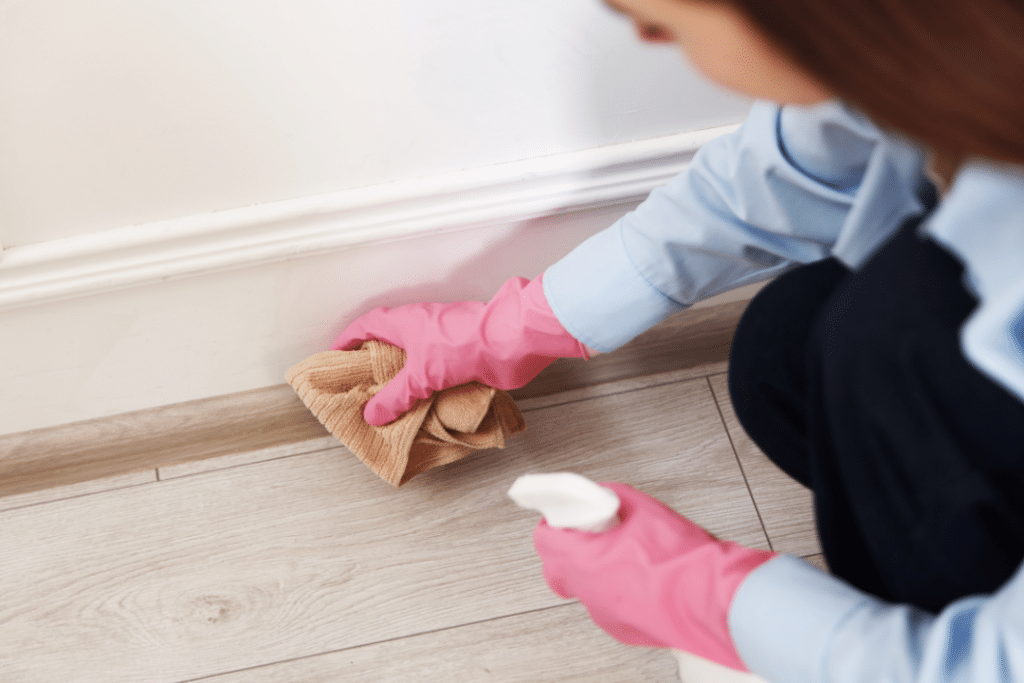
- Baseboards and furniture edges
- Electronics and workstations
- Entryways and hallways
Hidden areas, like under furniture and behind appliances, also benefit from deeper cleaning.
Habits That Minimize Dust
Consistency is key to keeping a home clean. Daily and weekly routines can significantly reduce dust levels.
Recommended Homeowner Practices
Try implementing these habits:
- Wiping surfaces with slightly damp cloths
- Vacuuming rugs and upholstery regularly
- Washing bedding and soft fabrics frequently
- Keeping entryways free of dirt
- Encouraging removal of shoes indoors
Tools That Make Cleaning Easier
Using proper tools helps capture dust effectively. Microfiber cloths and high-filtration vacuums reduce the spread of particles.
Long-Term Maintenance Strategies
Sustainable cleaning relies on routine care. Regular attention prevents small problems from turning into larger issues.
Tasks to Include Weekly
- Dusting surfaces and high-traffic areas
- Vacuuming floors and rugs
- Organizing shelves and counters
- Checking entryways for tracked debris
These habits maintain a cleaner, more comfortable home over time.
Frequently Asked Questions
Why does dust return quickly after cleaning?
Dust is constantly generated and circulated, so it naturally resettles on surfaces.
Does clutter affect dust buildup?
Yes, clutter traps dust and makes it harder to clean effectively.
Are some rooms more prone to dust?
Living rooms and bedrooms often collect more dust due to fabrics and higher traffic.
Can HVAC systems spread dust?
Air systems move particles, so vents and filters should be cleaned regularly.
Are microfiber cloths effective?
Yes, they trap particles instead of pushing them into the air.
How often should dusting occur?
Light dusting weekly, with deeper cleaning as needed, is usually sufficient.
Do pets contribute significantly to dust?
Yes, pet hair and dander are major contributors to indoor dust levels.
How can daily habits help maintain cleanliness?
Small, consistent actions prevent accumulation and reduce cleaning time over the long term.
Conclusion
Understanding dust formation and establishing simple routines helps homeowners maintain cleaner, more comfortable homes. Regular attention to high-traffic areas, proper tools, and mindful habits makes long-term upkeep manageable. For more tips on maintaining a fresh living space, visit Affordable Maids.