
What Are the 18 Basic Housekeeping Rules for Clean Spaces?
The 18 Basic Housekeeping Rules and Standard Procedures
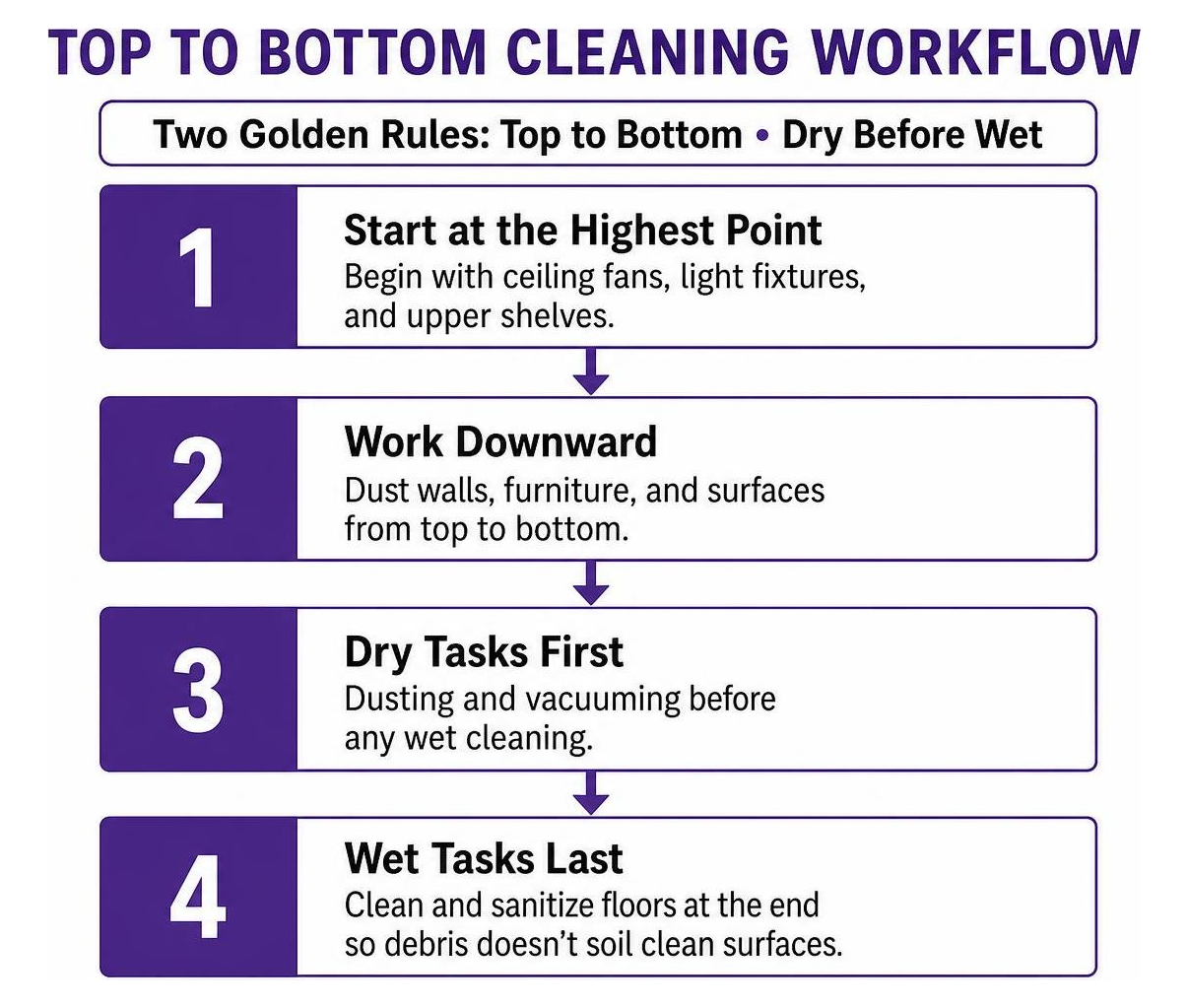
Maintaining a clean and welcoming home does not require endless hours of exhausting labor. When we apply standard operating procedures, everyday chores transform from chaotic scrambles into predictable, streamlined systems. The foundation of professional housekeeping relies on two golden rules of physical movement: always clean from top to bottom, and always perform dry tasks before wet tasks. When you dust ceiling fans before sweeping, gravity works in your favor. If you mop before dusting, dislodged particles simply turn your freshly washed floors into a muddy mess.
To establish an effortless rhythm, we categorize tasks by frequency. Here is how standard domestic duties break down across a balanced calendar:
| Frequency | Target Areas & Tasks | Primary Objective | Key Tools & Supplies |
|---|---|---|---|
| Daily | Kitchen counters, dishwashing, bed making, high-touch wipe-down, spot sweeping, trash removal | Prevent clutter accumulation and bacterial growth | Microfiber cloths, dish soap, surface spray, trash liners |
| Weekly | Bathroom scrubbing, thorough vacuuming, damp mopping, bed linen laundering, dusting furniture | Eliminate accumulated soil, dust mites, and grime | HEPA vacuum, microfiber mop, descaling cleaner, disinfectant |
| Monthly | Baseboard detailing, appliance deep cleans, window washing, mattress vacuuming, vent care | Maintain long-term asset value and indoor air quality | Glass cleaner, squeegee, crevice tools, appliance descalers |
| Seasonal | Refrigerator coils, furnace filter replacement, closet decluttering, patio/garage organization | Ensure mechanical efficiency, fire safety, and deep home resets | Coil brush, replacement HVAC filters, storage bins, step stool |
Below, we break down the definitive 18 basic housekeeping procedures every home needs to stay pristine, healthy, and functional.
Core Surface and Sanitization Protocols in the 18 Basic Housekeeping Framework
1. Surface Decluttering and Resetting Before any true cleaning begins, surfaces must be cleared of stray items. Clutter creates visual friction and blocks access to physical dirt. Returning items to their designated homes daily keeps horizontal spaces clear for efficient dusting and sanitizing.
2. High-Touch Point Disinfection Pathogens spread rapidly through everyday contact. Prioritize cleaning high touch areas like doorknobs, cabinet pulls, light switches, remote controls, and stair railings using an EPA-registered disinfectant.
3. Color-Coded Cross-Contamination Prevention Never use the same cloth in the bathroom and the kitchen. Adopt professional color-coding standards: use red microfiber cloths exclusively for high-risk sanitary zones (toilets), yellow for bathroom sinks and tiles, green for food preparation zones, and blue for general glass and furniture dusting.
4. Proper Chemical Dwell Time and Dilution Disinfectants do not kill germs instantly on contact. Spraying a surface and immediately wiping it away leaves bacteria behind. Follow the manufacturer’s dwell time—usually between 3 and 10 minutes—to let active ingredients neutralize pathogens. Learn more about contact times through these essential tips for effectively cleaning disinfecting.
5. Kitchen Sink and Counter Sanitization Kitchen sinks often harbor more bacteria than bathroom fixtures due to food residues. Wash basin basins daily with warm, soapy water, followed by a non-abrasive surface sanitizer, paying special attention to faucet bases and drain rims.
6. Cooktop and Backsplash Degreasing Grease splatters attract dust and become stubborn over time. Wipe stovetops and backsplashes after cooking using a dedicated degreaser or warm water paired with dish soap to break surface tension without damaging backsplashes.
7. Bathroom Descaling and Grout Care Mineral deposits, soap scum, and hard water stains degrade fixtures and tile grout. Scrub shower walls, tubs, and faucets weekly using targeted descalers or mild acid-based bathroom cleaners to prevent mold spores from rooting into porous grout lines.
8. Daily Shower Squeegee Routines Preventing water spots and mildew takes under 30 seconds. Run a rubber squeegee down glass shower doors and smooth tile walls after the last shower of the day. This simple habit cuts down your weekend bathroom scrubbing time in half.
9. Systematic Top-to-Bottom Dusting Dust high fixtures first—ceiling corners, light fixtures, and ceiling fan blades (a pillowcase slid over the blade traps falling debris)—working your way down to mantels, window sills, and finally baseboards.
Advanced Floor and Appliance Care Within 18 Basic Housekeeping Standards
10. High-Filtration HEPA Vacuuming Floors act as the ultimate sink for household debris. Use a vacuum equipped with a sealed HEPA filter to capture fine pet dander, pollen, and dust mites rather than recirculating them into your breathing zone. Vacuum carpets slowly in overlapping parallel strokes.
11. Upholstery and Mattress Care Soft surfaces collect dead skin cells and allergens. Vacuum fabric sofas, chairs, and mattresses every month. Wash bed sheets weekly in hot water (at least 130°F) to eradicate dust mites and maintain hygienic sleeping quarters. Explore more simple habits dust free comfortable home to preserve indoor air freshness.
12. Hard Floor Damp Mopping After thorough sweeping or dry vacuuming, clean hard floors with a damp (not soaking wet) microfiber mop. Excess moisture can warp hardwood and degrade laminate seams. Use pH-neutral floor cleaners tailored to your specific flooring material.
13. Streak-Free Glass and Mirror Polishing Clean mirrors and interior windows using a dedicated glass cleaner and a tightly woven waffle-weave microfiber cloth. Wipe in an “S-pattern” from top to bottom to eliminate streaks and lint.
14. Systematic Waste Management and Bin Sanitization Empty trash cans daily or as soon as they are full. Do not stop at replacing liners; wash and sanitize indoor trash cans monthly with warm soapy water and disinfectant spray to eliminate hidden leaks and odors that attract household pests.
15. Refrigerator Coil and Gasket Cleaning Dust coated on your refrigerator’s condenser coils forces the compressor to work harder, driving up electric bills and risking mechanical failure. Vacuum the coils behind or beneath the unit twice a year, and wipe down flexible rubber door gaskets to ensure an airtight seal.
16. HVAC Furnace Filter Replacement Replace central air and furnace filters every 1 to 3 months depending on household occupancy and pet presence. Clean filters protect blower motors and drastically lower circulating indoor dust loads. Refer to the K-State Extension Guide on Essential Home Maintenance for foundational guidance on residential mechanical care.
17. Tool Cleaning and Maintenance A dirty tool cannot clean a home. Empty vacuum canisters after each use, check brush rollers for tangled hair, wash microfiber mop heads and cloths in hot water (without fabric softener), and allow toilet brushes to air dry completely before placing them back in their holders.
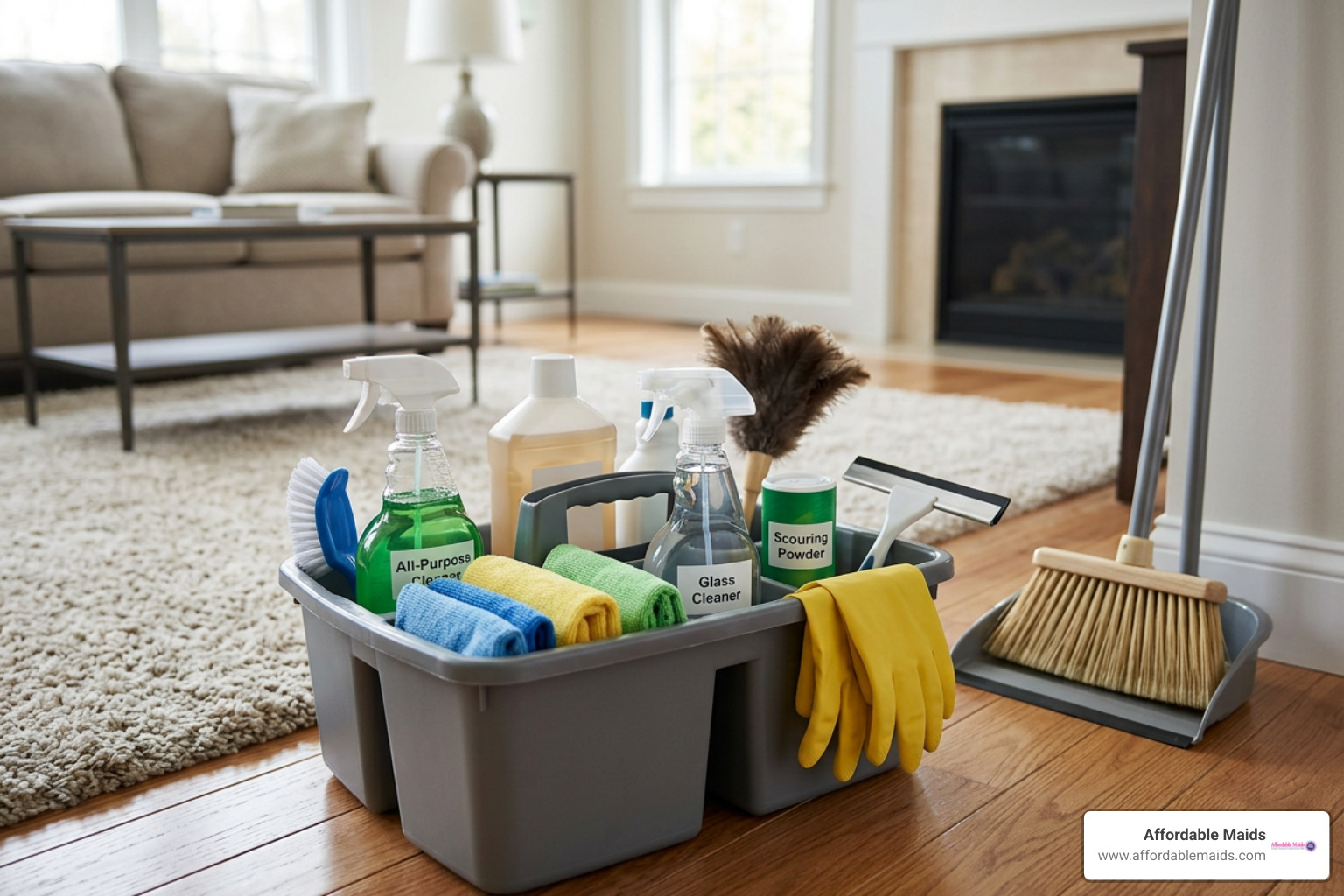
18. Organized Cleaning Supply Storage Store household chemicals, cloths, and brushes securely in dedicated caddies, completely out of reach of small children and pets. Keeping your supplies organized and accessible reduces setup friction and makes starting any chore effortless.
Essential Housekeeping Skills and Workflow Strategies
Mastering the mechanics of cleaning is only half the battle; the rest comes down to workflow, ergonomics, and time management. Professional housekeepers work swiftly not because they rush, but because they eliminate wasted steps.
To maximize your cleaning efficiency:
- Harness the 80/20 Rule: In housekeeping, 20% of your cleaning tasks yield 80% of the visible cleanliness and hygiene. Focus first on high-traffic horizontal surfaces (kitchen counters, dining tables, central living room rugs) before tackling tucked-away spaces.
- Implement the 15-Minute Daily Reset: Set a timer every evening for 15 minutes. Involve the whole household to wash lingering dishes, return misplaced items, take out trash, and wipe high-use counters. This daily habit prevents small messes from snowballing into weekend marathons.
- Rely on Structured Checklists: Avoid wandering aimlessly from room to room. Follow our weekly guide to maintain clean home or print out structured cleaning checklists so you can work methodically through each space.
- Practice Ergonomic Safety: Protect your body while maintaining your home. Bend at your knees instead of rounding your lower back when lifting heavy laundry baskets or vacuuming under beds. Switch hands regularly when wiping or mopping to distribute physical strain evenly.
- Master Garment and Laundry Care: Sort laundry by fabric type, weight, and color before washing. Check garment care tags to choose appropriate water temperatures and cycle speeds, and always clean dryer lint traps after every load to prevent household fire hazards.
For those interested in deep-dive career training and modern industry standards, agencies like Hadley Reese and educational resources such as TASDCA detail how full-charge domestic staff structure their operational days.
Building Family Habits and Avoiding Common Cleaning Mistakes
Housekeeping should never fall squarely on one person’s shoulders. Research from the American Cleaning Institute reveals that nearly 3 in 4 college parents (74%) admit their kids are not completely prepared to clean independently, while 72% of college students report feeling unready to handle cleaning responsibilities on their own. Furthermore, 64% of parents worry their college-age children do not know how to handle cleaning products effectively, and 26% worry they lack the proper supplies altogether.
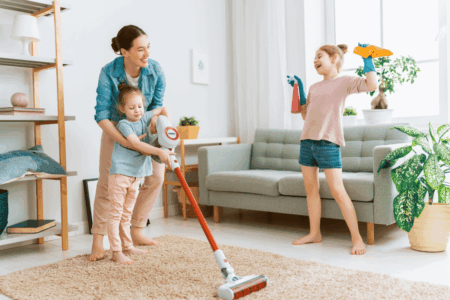
Teaching foundational living skills early builds confidence and self-sufficiency. Introduce age-appropriate chores—from matching socks and dusting baseboards for young children to scrubbing bathrooms and managing laundry loads for teenagers. Gamifying cleaning routines with dry-erase charts and small allowance incentives helps turn daily maintenance into lifelong positive habits.
As your family builds these routines, watch out for these widespread housekeeping mistakes:
- Mixing Cleaning Chemicals: Never combine household chemicals. Mixing chlorine bleach with ammonia or acidic cleaners (like vinegar) creates chloramine or chlorine gas, which can cause severe respiratory damage.
- Cleaning Without Adequate Ventilation: Always open windows or run exhaust fans when using commercial cleaning agents to prevent concentrated fumes from building up in enclosed rooms.
- Overusing Cleaning Chemicals: More soap does not equal more clean. Using too much detergent or spray leaves a sticky residue on floors and countertops that actually attracts dirt faster.
- Falling for Common Home Maintenance Myths: Avoid damaging delicate surfaces with internet cleaning hacks. Discover what homeowners know about everyday home maintenance myths to protect hardwood finishes, marble countertops, and appliances.
- Skipping the Pre-Clean: Applying disinfectants directly over thick layers of dust, grease, or dirt renders them ineffective. Always wipe away visible soil before applying antimicrobial sanitizers.
For active households struggling to balance tight work schedules with domestic chores, checking out house cleaning tips busy pittsburgh homes can help you reclaim hours of free time without compromising living standards. When regular upkeep falls behind due to moves, renovations, or life events, understanding deep-cleaning vs standard cleaning pittsburgh will help you determine the exact level of care your home requires.
Frequently Asked Questions About Basic Housekeeping
What is the most important rule in basic housekeeping?
The most vital rule is following a systematic order of operations: clean from top to bottom and dry before wet. Working from high fixtures down to the floor ensures that falling dust and debris are captured during the final vacuum and mop, preventing you from having to clean the same surface twice. Consistency over intensity is equally critical—regular small cleanings prevent deep grime accumulation. Explore our complete faqs for more expert housekeeping advice.
How much time should daily housekeeping take?
For an average residential home, daily maintenance should take between 15 and 30 minutes. By focusing strictly on daily reset tasks—wiping kitchen counters, loading the dishwasher, making beds, managing main trash, and clearing horizontal clutter—you maintain order without turning every evening into an exhausting cleaning marathon.
How do residential housekeeping standards differ from hospitality cleaning?
Residential housekeeping focuses on long-term home preservation, personal family lifestyle habits, wardrobe care, and customized organizational systems. Hospitality cleaning emphasizes rapid room turnover, commercial-grade sterilization, crisp presentation standards, and strict linen management between rotating guests. If you need consistent, professional-grade cleanliness for your residence, setting up recurring maid services bridges this gap perfectly.
Conclusion
Mastering the fundamentals of housekeeping creates a cleaner, safer, and far more peaceful environment for you and your family. By breaking your home care into predictable daily resets, weekly refreshes, and seasonal deep-cleaning routines, you protect your indoor air quality, prolong the lifespan of your surfaces and appliances, and free up valuable personal time.
When busy schedules make it difficult to keep up with thorough household maintenance, let our team lend a hand. Affordable Maids brings over 32 years of trusted experience to local homeowners. As Pittsburgh’s #1 trusted cleaning firm with more than 279,000 cleans completed, 400+ five-star reviews, and 8 convenient local offices, our bonded and insured professionals are ready to restore comfort and sparkle to your living space.
Whether you need regular upkeep or comprehensive deep cleaning services, every job is backed by our ironclad 100% satisfaction guarantee. Contact Affordable Maids today to schedule your custom home cleaning!